
Best Practices for Surface Disinfection

With the focus of most infection control procedures centered around mitigating the spread of the novel coronavirus since early 2020, it is important to review and discuss infection control procedures in the dental setting for the post-COVID era. A survey of infection control practices among dentists during the pandemic showed an increase in knowledge and higher adherence to infection control guidelines.
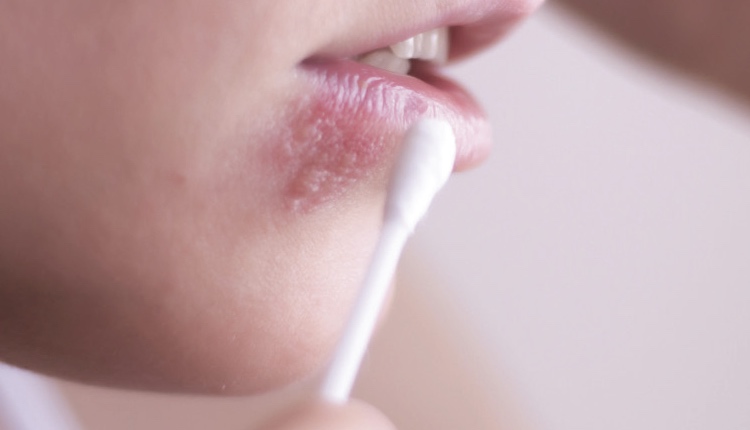
In addition to SARS-CoV-2, other highly infectious and potentially life-threatening diseases can spread in a dental setting. Infectious diseases transmissible in dental offices include viruses, such as herpes simplex virus (HSV), norovirus, coxsackievirus, hepatitis, human immunodeficiency virus (HIV), cytomegalovirus, measles, mumps, rubella, and respiratory viruses, and bacteria, such as Staphylococcus aureus, Escherichia coli, Neisseria gonorrhoeae, Treponema pallidum, Streptococcus pyogenes, Mycobacterium tuberculosis, Legionella pneumophila, and Pseudomonas aeruginosa.
* References can be found in the original article via the link below.
Read Article





Responses