
Buffered Articaine Provides the Next Leap in Dental Pain Management
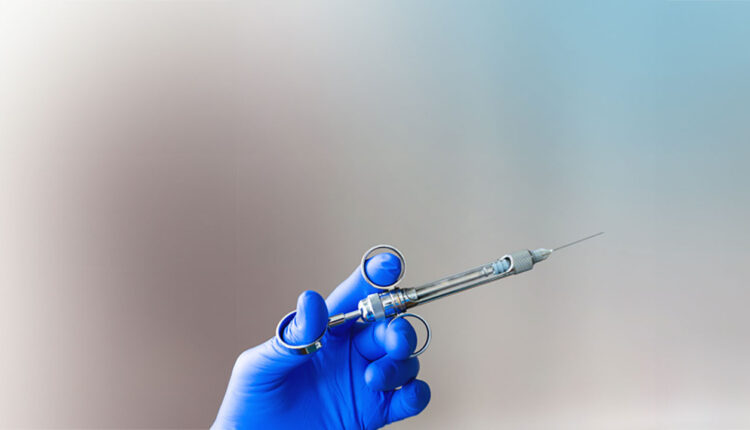
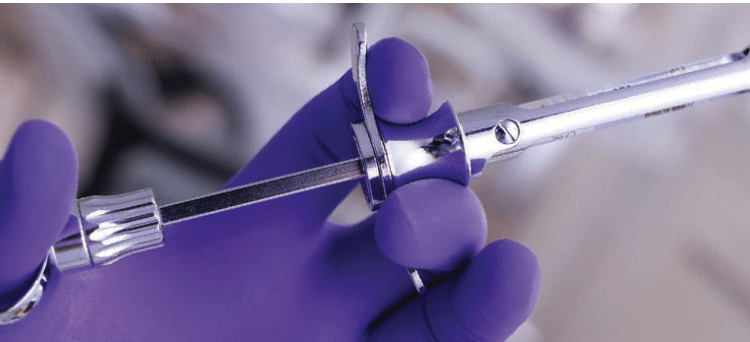
It may appear that the evolution of dental local anesthesia has been slow to progress. At a minimum, profound local anesthesia requires an understanding of anatomy and a familiarity with drug delivery devices as well as safe and effective drugs. Anatomical features have not changed. Since the original Cooke Waite syringe, delivery devices have undergone only minimal changes; however, pharmacology has made significant advances. Current evidence and anticipated new technologies suggest that progress is moving forward.
Reflecting on current practice, articaine and chairside buffering are prime examples of dentistry’s response to earlier limitations. Clinicians are much better equipped today to meet pain management challenges.1-3
Lidocaine
Lidocaine has provided reliably effective and durable pain management since the late 1940s and is frequently referred to as the “gold standard” of dental local anesthetics (LAs). Despite the subsequent introduction of articaine in 2000, lidocaine has maintained its dominance in the United States marketplace.3 However, Business Research Insights projects that by 2033, articaine’s global market share will be more than three times that of lidocaine.4
* References and figures can be found in the original article via the link above.




Responses