
Teledentistry Offers Benefits to Both Patients and Clinicians

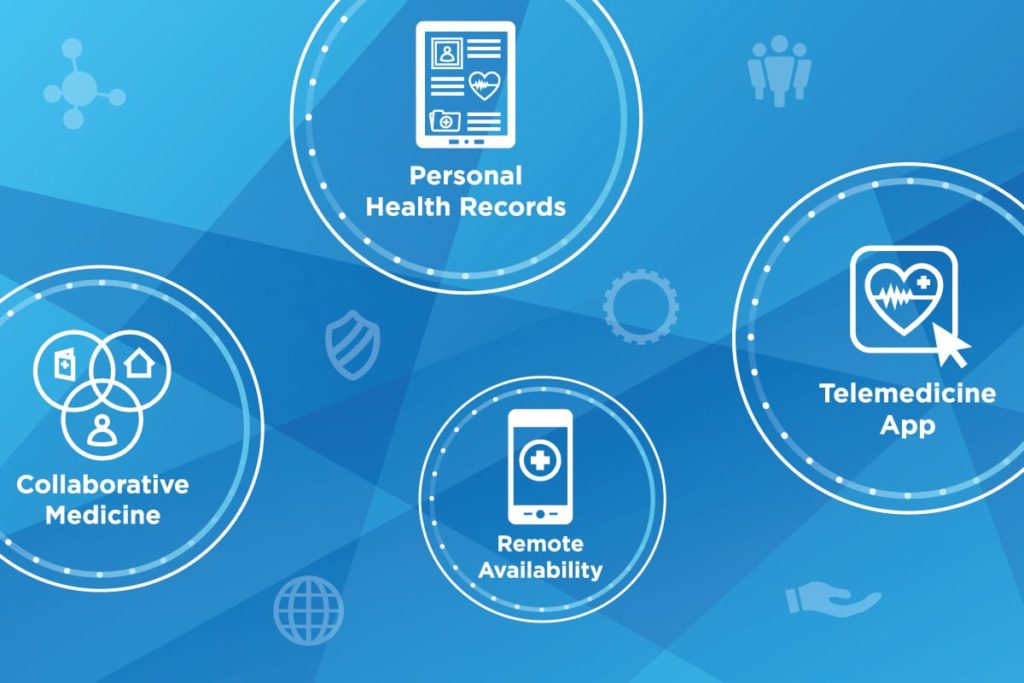
In 2024, the Health Resources and Services Administration reported that approximately 60 million Americans live in dental health professional shortage areas, representing 17.4% of the total population.1 These regions lack oral health professionals and are unable to meet the population’s needs. Telehealth has emerged as a promising solution to bridge the gap in access to care, leading the way toward a more connected and responsive healthcare system. Telehealth has transformed healthcare into an electronic realm, enhancing efficiency and accessibility for both patients and providers.2 The World Health Organization defines telehealth as the provision of healthcare in which the patient and clinician are not present in the same place but rather the care is provided via the exchange of information through electronic means.3 Telehealth appointments can be conducted through phone calls, video calls, and text messages.4
The substantial boom in telecommunication within healthcare surged during the COVID-19 pandemic. According to the Centers for Medicare and Medicaid Services, the use of telehealth increased from about 13,000 users a week before the pandemic to nearly 1.7 million users by the end of April 2020.5 The need for dental care accelerated the adoption of teledentistry.6
* References and figures can be found in the original article via the link above.





Responses