
Are Handheld Dental X-Ray Devices Convenient or a Hidden Safety Risk?
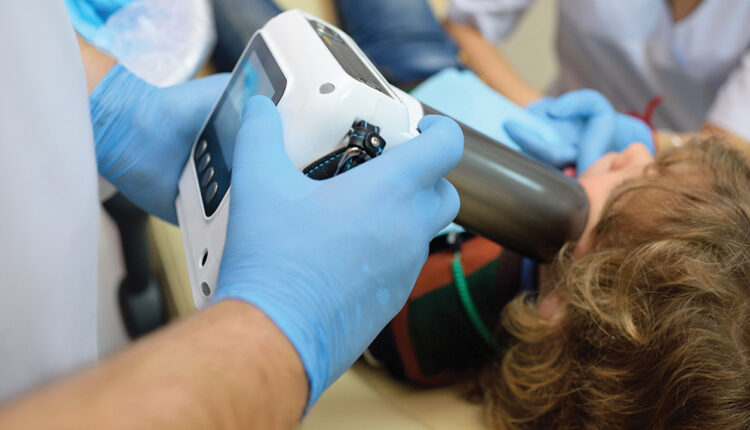
First introduced in the 1990s, handheld portable X-ray devices are used in a variety of settings, from schools to mobile clinics. While not intended to replace the traditional wall units seen in most dental offices, handheld devices are becoming ubiquitous in dentistry.1,2 Traditional wall-mounted units are installed with structural shielding and protective barriers to protect operators from ionizing radiation in a controlled setting. In contrast, handheld units are typically used in noncontrolled environments, where the standard protective barriers associated with wall-mounted units are not present. Handheld devices are not designed to replace the traditional wall-unit but rather serve as a supplement.3,4
Handheld X-ray devices are frequently found in military settings, nursing homes, facilities for individuals with special needs, remote or underdeveloped regions lacking dental clinics, community outreach clinics, patients receiving treatment under general anesthesia, and in forensic dentistry.1,3
* References and figures can be found in the original article via the link above.





Responses