
Implants Don’t Fail, We Fail Them
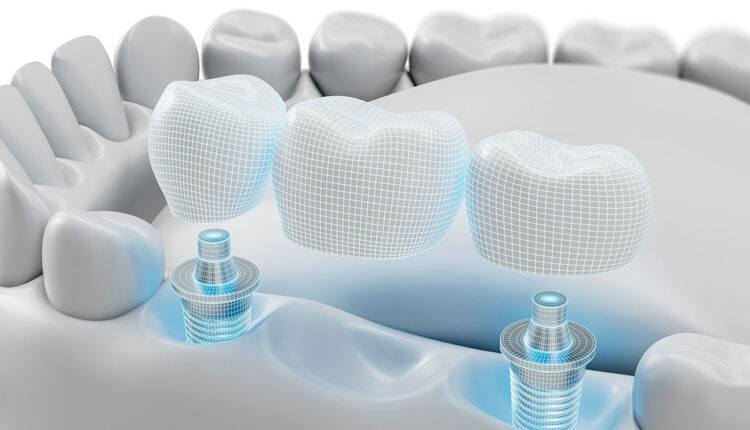
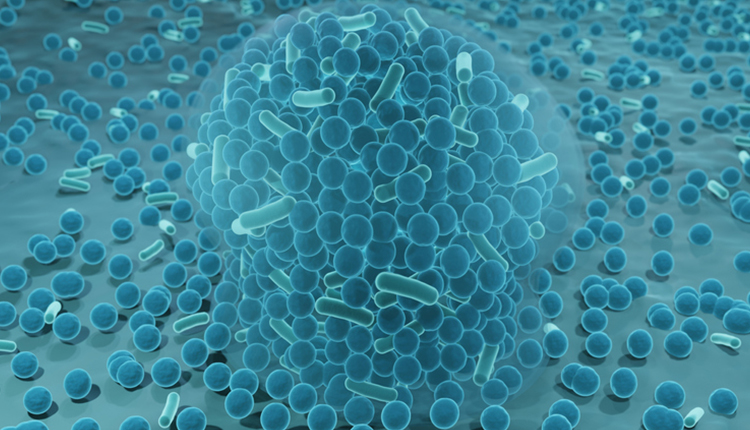
Dental implants do not just fail. We fail them — through a disregard of biological, restorative, and maintenance principles.1 True implant success tests the resilience of the peri-implant apparatus. Because implants lack a periodontal ligament, exhibit collagen fibers aligned parallel rather than perpendicular to their surface, and host a unique microbiome in which fewer than 10% of species overlap with periodontal niches, they function within their own ecological and immunologic environment.1,2 This environment is acutely sensitive to both patient self-care and the quality of professional maintenance.
A growing clinical consensus indicates that peri-implant diseases are largely preventable when risk factors are properly managed and robust maintenance protocols are followed.1,3 Without such support, dysbiotic biofilm accumulates, provoking rapid inflammatory change, implant surface degradation, and nonlinear bone loss.3 Peri-implantitis progresses faster than periodontitis, with lesions nearly twice as large and driven by more aggressive cytokine profiles.3 Early and ongoing recare can safeguard implants from this destructive sequelae. Yet it is the standard of maintenance that shapes their prognoses.
* References and figures can be found in the original article via the link above.




Responses