
Ultrasonic Instrumentation Strategies for Stage II and III Periodontitis
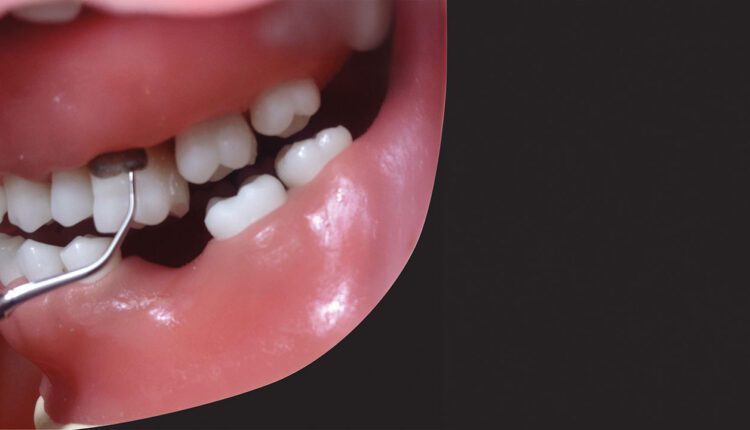
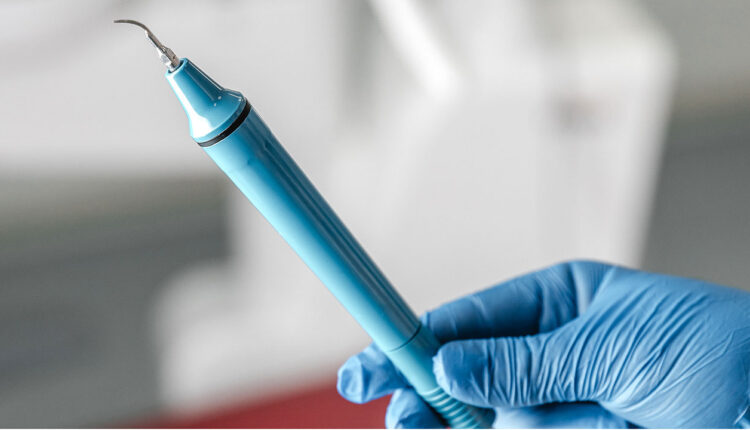
qUltrasonic instrumentation is part of initial nonsurgical periodontal therapy for Stages II and III periodontitis cases (to learn about it’s role in Stage 1 periodontitis, read Part 1 of this article series).1 Subgingival instrumentation is performed with hand or powered instruments and that choice is based on experience, skills, and preferences of the clinician and patient.2
The stages of periodontitis are subdivided into severity and complexity. Severity is determined by interdental clinical attachment loss (CAL), radiographic bone loss, and tooth loss. Complexity is based on maximum periodontal probing depth and horizontal or vertical bone loss. Grades A to C are the progression rates and associated risk factors.2-4
The periodontal diagnosis is determined after analyzing full-mouth CAL and periodontal probing depth along with bleeding on probing. Periodontal charting provides a roadmap for scaling and root planing for Stage II and III cases and should be referred to often during instrumentation. Root anatomy, biofilm distribution, and calculus type also are evaluated to determine instrumentation needs.
* References and figures can be found in the original article via the link above.



Responses