
How Photobiomodulation Is Transforming Nonsurgical Dental Care
Lasers have traditionally been used for excisional procedures, but over the past two decades, important nonsurgical applications have emerged. Novel modifications in laser technology now allow their use to accelerate healing, reduce inflammation, and diminish pain — all noninvasively.
This approach is termed photobiomodulation or photobiomodulation therapy and is defined as the targeted application of light for therapeutic purposes at a level below that associated with cutting of tissue or damage to structural proteins. The concept was introduced in 1971 and has been thoroughly researched since that time.1,2
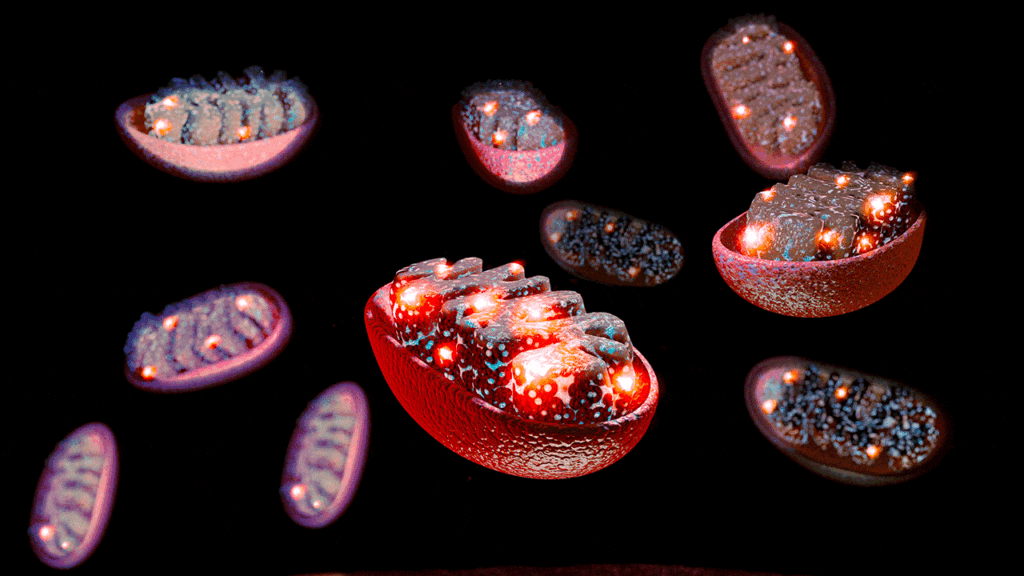
Photobiomodulation delivers photons of light to the affected area and can be generated by a variety of lasers. The lasers that can develop these photons can be differentiated by the wavelength of light generated and the depth of penetration of the energy produced. Early generations of these devices could only deliver power sufficient to penetrate superficial tissues. This low-powered process is most frequently termed low-level laser therapy (LLLT). These lasers, by definition, produce 0.5 watts or less of power, which limits the depth of tissue penetration. The wavelengths produced by these devices range from 390 to 600 nm. More powerful lasers can deliver light energy to deeper tissues, a process termed high-intensity laser therapy (HILT), and generate wavelengths ranging from 810 to 1,064 nm. Both LLLT and HILT are noninvasive, with minimal negative side effects and both positively affect numerous cellular processes.
* References and figures can be found in the original article via the link above.





Responses