
Update on Methods for Oral Biofilm Disruption

By Kathleen O. Hodges, RDH, MS
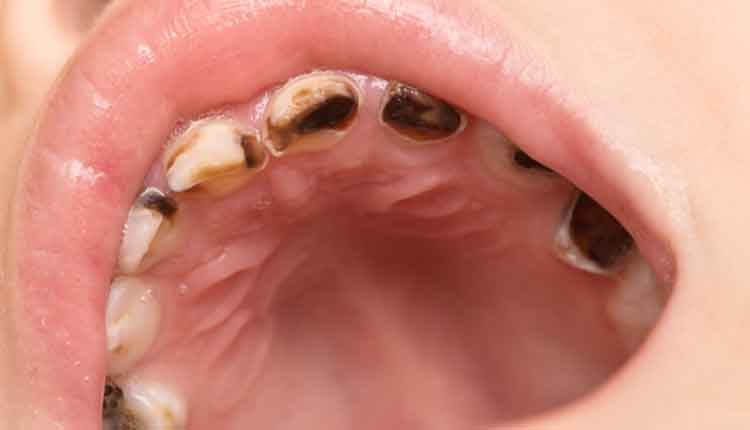
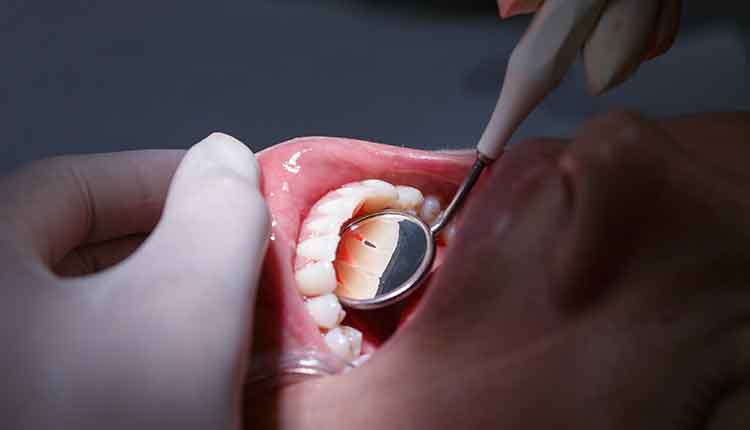
Biofilms are composed of bacteria adhering to each other or to living or nonliving surfaces. They form complex communities surrounded by extracellular polymeric substances.1 Cells within these biofilms have changing physiologic and metabolic properties that contribute to their persistence.1 If not removed regularly, a complex and mature biofilm develops, with up to 100 bacterial species at a single site.2 Oral biofilm exposed to an excess of carbohydrates contains mainly Gram-positive carbohydrate-fermenting bacteria that may cause demineralization, caries, pulpitis, and periodontitis.2–4 Supra- and subgingival oral biofilms dominated by Gram-negative anaerobic bacteria colonize and cause gingival inflammation. Subsequently, gingivitis, chronic and aggressive periodontitis, and peri-implantitis can ensue.2,3 There are two strategies for biofilm control: interfere with attachment, and remove or disrupt biofilm. Total removal is not possible;1 therefore, disruption is the most practical option.4
* References can be found in the original article via the link below.
Read Article


Responses