
The Hidden Sleep Disorder Linked to Oral and Systemic Health
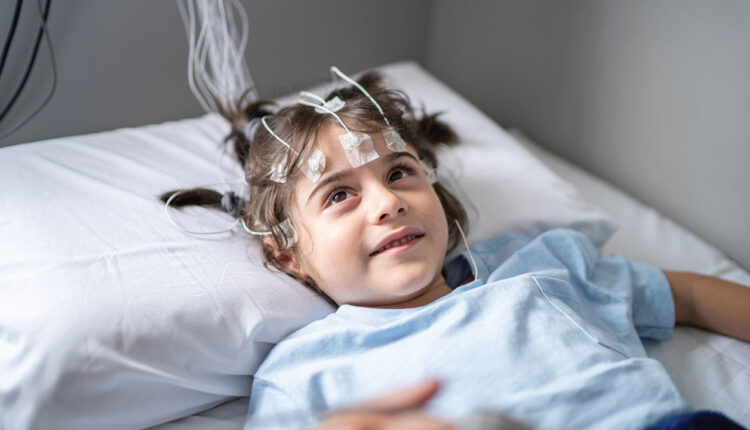
Pediatric obstructive sleep apnea (POSA) occurs in 1% to 6% of children, making it a significant public health concern.1 POSA can be linked to a variety of developmental delays and chronic health issues, including cardiovascular concerns and overall failure to thrive. Additionally, POSA can lead to problems with skeletal, jaw, and dentition development.2 POSA also may contribute to neurocognitive and emotional developmental delays, including attention-deficit/hyperactivity disorder (ADHD).
Because early detection of POSA and related conditions can significantly improve oral and general health outcomes in children, oral health professionals should screen for signs and symptoms of POSA during routine exams.3
Obstructive sleep apnea (OSA) is a partial or complete airway obstruction during sleep that interrupts normal sleep patterns and nighttime breathing. This includes episodes of intermittent hypoxia (lack of oxygen) and frequent sleep arousal.2 OSA usually occurs when the pharyngeal airway soft tissue relaxes during sleep. When an individual inhales, the airway can be partially or completely obstructed, thereby inhibiting oxygen flow. OSA is the most common type of sleep-disordered breathing in children.4
* References and figures can be found in the original article via the link above.






Responses