
The New Frontier of Dermal Fillers

Part two of a two-part series. Part one appears in the July/August 2026 issue.
Dentistry has long played a central role in facial esthetics. From full-mouth reconstruction, whitening, smile makeovers, to the integration of cosmetic procedures, such as neuromodulators and dermal fillers, oral health professionals routinely influence facial form, balance, and function. Despite the natural alignment of dentistry and esthetics, the incorporation of dermal fillers into dental practice is sometimes viewed as unconventional or even outside traditional boundaries. However, with their extensive knowledge of facial anatomy, oral health professionals are ideal providers to administer dermal fillers.
As fillers continue to evolve, particularly in tissue regeneration and collagen stimulation, their applicability in dentistry may increase both in cosmetic and periodontal procedures. The integration of dermal fillers may represent not a departure from dentistry, rather an extension of its long-standing commitment to comprehensive, patient-centered care.1
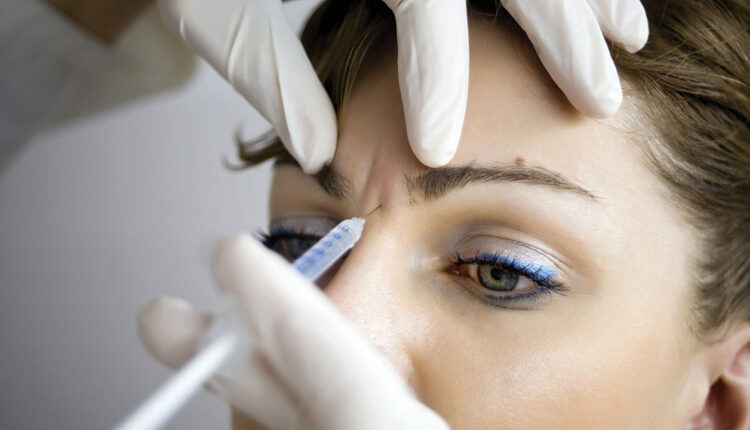
Second only to botulinum toxin type A neuromodulators, dermal fillers rank among the most requested treatments in the esthetic industry, offering the ability to restore lost volume, enhance contours, and support overall facial harmony.2 Unlike botulinum toxin type A neuromodulators that reduce wrinkles by inhibiting muscle contraction, dermal fillers can reduce wrinkles and improve skin texture by restoring volume loss.
* References and figures can be found in the original article via the link above.




Responses