
Expand Dental Hygiene Practice With Neuromodulators
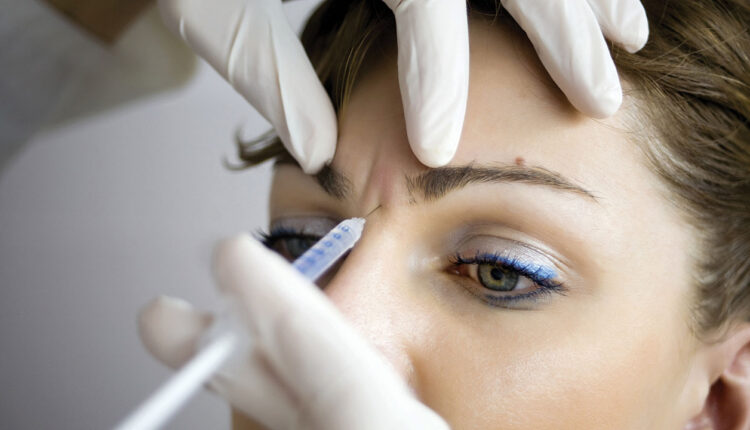
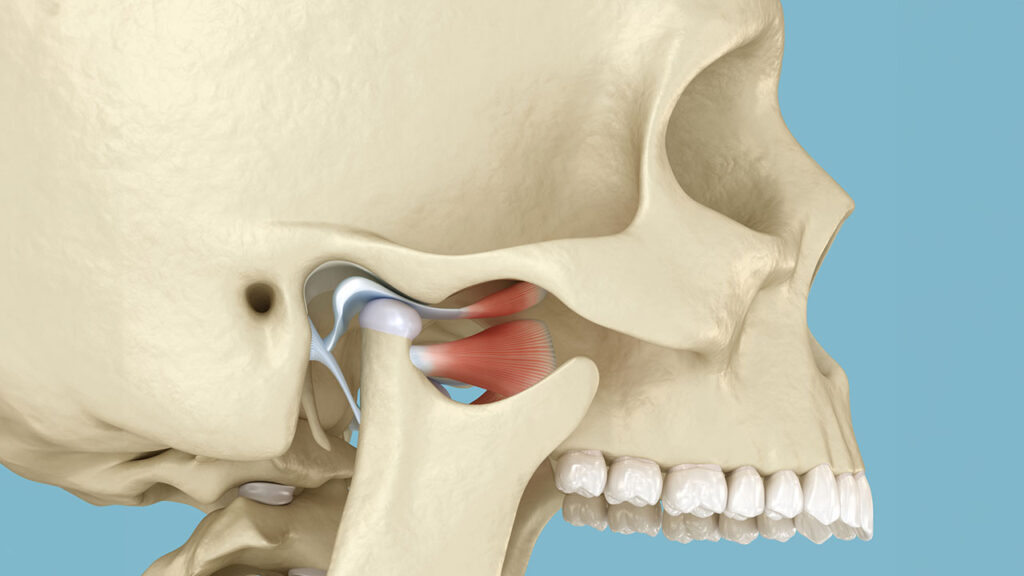
The incorporation of neuromodulators into dental hygiene practice has gained traction in recent years, reflecting a broader trend toward integrative approaches in dental care.1 No longer viewed solely through a cosmetic lens, these therapeutic agents have emerged as valuable adjuncts for managing a range of head and neck conditions commonly encountered in dental settings. From chronic orofacial pain and temporomandibular disorders, management of parafunctional habits, cosmetic enhancement and facial balancing, muscle hyperactivity, and selective esthetic enhancement, neuromodulators offer dental hygienists an evidence-based means of addressing both function and form as a minimally invasive procedure. As therapeutic modalities, injectable neuromodulators offer oral health professionals innovative and adjunctive treatments to address various head and neck disorders.
Mechanism of Action
Neuromodulators, or botulinum neurotoxins (BoNTs), are protein neurotoxins derived from Clostridium botulinum that cause muscle paralysis.2 Though there are many types of neuromodulators, botulinum toxin type A (BoNT-A) is widely used in cosmetic therapies and pain management.1 Recognized for its safety and efficacy due to its limited diffusion from the injection site, BoNT-A’s effects on the targeted musculature are also reversible over time.2 This article will focus on BoNT-A and will refer to these injectable neurotoxins as neuromodulators.
* References and figures can be found in the original article via the link above.





Responses