
Achieve Success With Ultrasonic Adaptation
By Alexandra Ochi, RDH, BSDH, Michaela Nguyen, RDH, MS
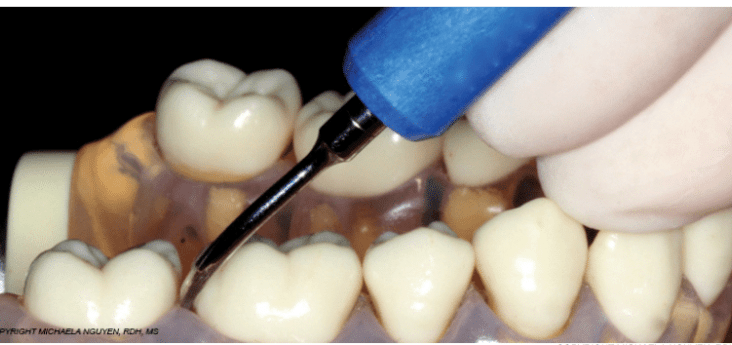
While utilization of magnetostrictive and piezoelectric devices is similar, there are differences in technique. As dental hygienists become increasingly exposed to both devices, understanding how to use them properly is critical to achieving optimal outcomes. Eradicating the causes of gingival and periodontal inflammation generally requires complete root surface debridement. Disruption of tooth-adherent calculus and biofilm occurs via mechanical vibrations when the ultrasonic insert/tip (UIT) is sufficiently powered and in direct contact with the tooth surface.1 So as to not damage the tooth itself, clinicians need to understand the differences in lateral forces, tip adaptations, and power settings between magnetostrictive and piezoelectric devices.2–4
* References can be found in the original article via the link below.
Read Article




Responses