
Break the Cycle of Early Childhood Caries

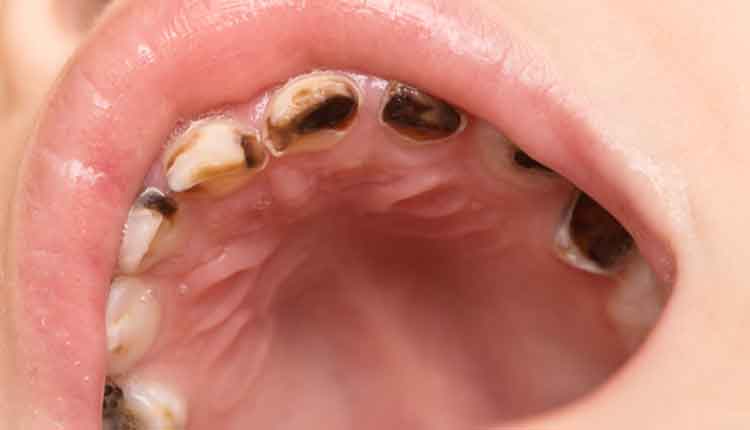
Dental caries remains the most common, chronic, preventable disease impacting children globally.1 A multifactorial condition, early childhood caries (ECC) is characterized by the presence of one or more decayed, missing or filled (DMF) teeth in the primary dentition of children younger than age 6.1,2
Any smooth surface cavitated lesion is considered severe early childhood caries (S-ECC) among children younger than age 3.2 In 2019, an estimated 43% (514 million) of children ages 1 to 9, across the globe, had dental caries in primary teeth.3 In the United States, between 2017 and 2020, nearly half (46%) of children ages 2 to 19 had untreated or restored dental caries. Among children ages 2 to 5, 22% had untreated or restored dental caries, and this prevalence increased with age.4 Moreover, children from households with a federal poverty level (FPL) less than 350% had a higher prevalence of untreated or restored dental caries than those living above 350% of the FPL.4
ECC can impact a child’s oral health-related quality of life (OHRQoL), which is the impact of oral disease on an individual’s physical functioning and psychological and social well-being.5-7 A recent systematic review demonstrated that higher DMF scores were related to greater impact on a child’s OHRQoL and increased visits to the emergency department for dental problems.7
* References and figures can be found in the original article via the link above.




Responses