
Bridging the HPV Knowledge Gap


By Christina A. Demopoulos, DDS, MPH, Tanis Stewart, MPA, MBA, PhD and Marcia M. Ditmyer, PhD, MCHES
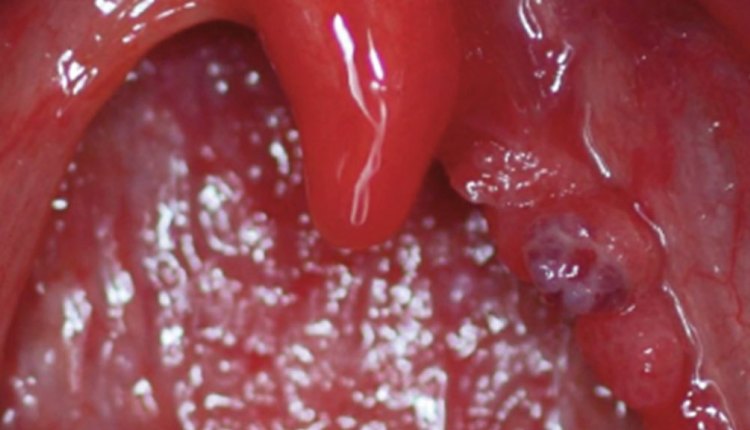
The human papillomavirus (HPV) is one of the most common sexually transmitted infections. It is so common that nearly all sexually active men and women will be infected at some point in their lives.1 HPV of the oral cavity can occur when the virus enters the body, usually through a cut or small tear inside the squamous cells of the oral cavity covered by skin and/or mucosa, such as the inner aspects of the mouth, throat, tongue, and tonsils. Transmission occurs when these areas come into contact with a virus, allowing it to transfer between epithelial cells. Oral HPV is associated with a variety of oral lesions, cancers of the mouth, and oropharyngeal cancers (OPC).2 Poor oral health is an independent risk factor for oral HPV infection.2 While it has been established that oral sexual contact can transfer the HPV virus, it is still poorly understood what other pathways exist. The leading cause of OPC is HPV, resulting in approximately 72% of OPCs in men and 63% of OPCs in women.3,4 Overall, oral cavity cancer (OCC) has steadily decreased in the United States since 1973; however, the prevalence of OPC has increased.5 This may be due to the increasing prevalence of HPV.
* References can be found in the original article via the link below.
Read Article





Responses