
Dry Mouth May Be First Sign of Diabetes

A prevalent chronic disease, diabetes presents a pervasive healthcare challenge both within the United States and globally. According to the most recent estimates from the US Centers for Disease Control and Prevention (CDC), in 2021 roughly 38.4 million individuals in the US across all ages had diabetes, reflecting 11.6% of the population. Among adults age 18 and older, 38.1 million (or 14.7%) had diabetes.1 The prevalence of diabetes jumps to 29.2% in adults ages 65 and older.1 While diabetes seems ubiquitous, this does not diminish its serious health implications.
Diabetes mellitus is a heterogeneous collection of disorders characterized by dysfunction in blood glucose regulation. Type 1 and type 2 diabetes are the primary subclassifications but have different pathophysiological presentations.2 Type 1 diabetes accounts for 5% to 10% of cases and is characterized by the inability of the body to produce the hormone insulin due to autoimmune destruction of the insulin-producing cells of the pancreas. Blood glucose increases but cannot be delivered to cells.2
In contrast, individuals with type 2 diabetes may produce insulin, but they experience insulin resistance, meaning that their cells cannot effectively use insulin. Type 2 diabetes can develop through a complex interplay of genetics, environment, and behavioral factors. While type 2 diabetes does not discriminate by age, type 1 tends to have a younger age of onset with a lower body mass index and unintended weight loss.3 Overweight, obesity, and especially waist circumference are significant risk factors for type 2 diabetes.4
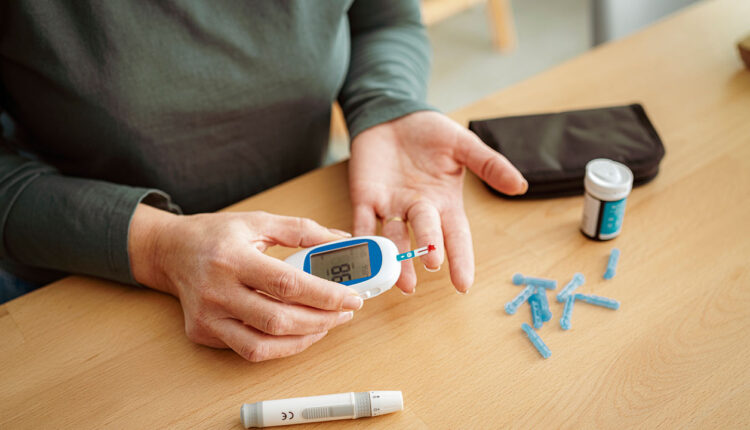
Diagnosis of diabetes is made based on either fasting plasma glucose, oral glucose tolerance test, or HbA1c. Prediabetes occurs when these parameters are elevated but not yet at the diagnostic threshold of type 2 diabetes. Table 1 outlines the diagnostic parameters of diabetes.3 Other less common etiologies of diabetes also occur, such as gestational diabetes and damage from pancreatitis and cystic fibrosis. Regardless of etiology and influencing factors (genetics and environment), hyperglycemia (high blood glucose) is the clinical hallmark of these diabetes diseases.3
* References and figures can be found in the original article via the link above.




Responses