
Oral Health Risks Among College Students
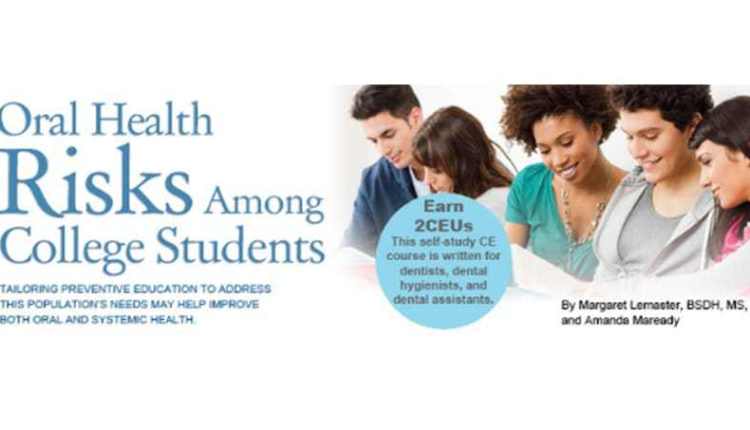
Dental hygienists are well versed in adapting self-care instructions to specific age groups—including toddlers, young children, adolescents, adults, and older adults. Each group presents with specific risk factors that affect treatment planning and outcomes. These include baby bottle syndrome (toddlers), orthodontia (adolescents and adults), and denture care (older adults). The college student population, age 18 to 24, is often overlooked when oral health professionals are targeting their preventive education. According to the National Center for Education Statistics, an estimated 21.8 million people were enrolled in American colleges and universities in 2013.1 When it comes to oral hygiene care, this large, distinct age group is usually lumped into the “adult” category. Young adults, however, require a modified education plan and specialized oral hygiene instructions. Additionally, clinicians must be prepared to recognize the risk factors associated with college-age patients’ lifestyles and offer recommendations to mitigate these risks.
* References can be found in the original article via the link below.
Read Article






Responses