
Providing Safe and Compassionate Care for Trauma Survivors
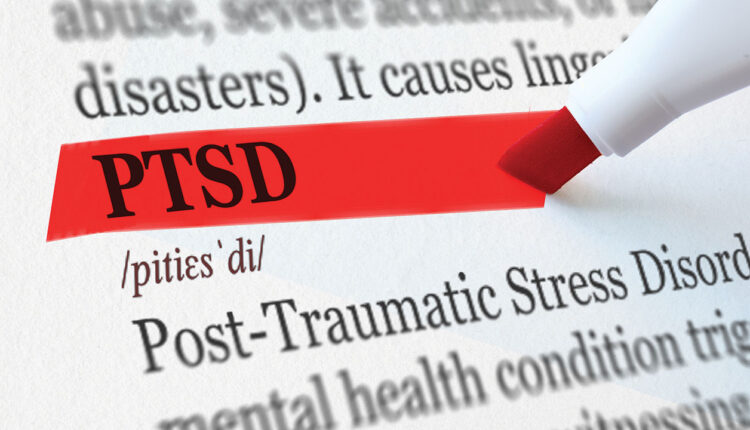
Post-traumatic stress disorder (PTSD) is a lifelong psychiatric condition that may develop after traumatic, life-threatening, or unsettling incidents that elicit emotional or physical harm.1-3 Common causes include war; physical, emotional, or sexual abuse; severe accidents; natural disasters; domestic abuse; acts of terrorism; and medical ailments.
The dental setting may be a stressful, triggering environment for those living with PTSD. To provide the best individualized care for those with this psychiatric disorder, oral health professionals need to be knowledgable about PTSD, including clinical symptoms, potential triggers while in the dental office, patient communication strategies, and opportunities for interprofessional collaboration.
With PTSD affecting six out of every 100 people, oral health professionals will likely treat many individuals with PTSD throughout their careers.3 It impacts individuals of all races, ethnicities, gender identities, and ages. Among American adults, the lifelong prevalence of PTSD is 6.8% with women twice as likely to develop the condition than men.3,4 Oral health professionals should be familiar with PTSD in the dental setting and use culture sensitivity if they suspect a history of mental illness relating to trauma in order to provide appropriate care.
* References and figures can be found in the original article via the link above.





Responses