
Role of Lasers in Modern Periodontal Therapy
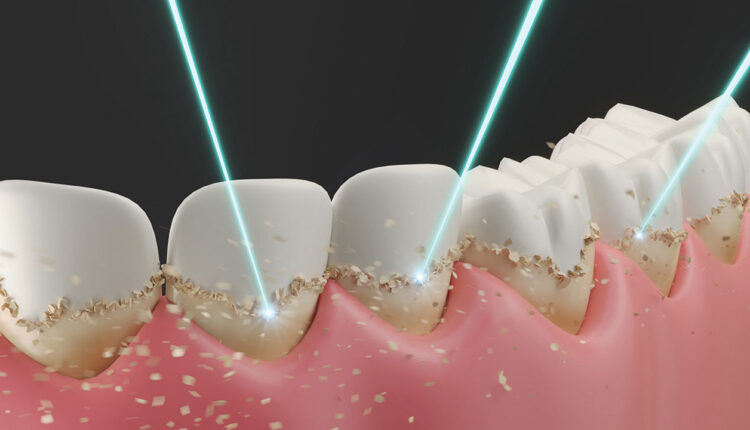
Periodontal diseases are the most common cause of tooth loss in the modern world. According to data from the World Health Organization, gingival bleeding and calculus are most prevalent among adults from all regions of the world, while advanced disease with deep periodontal pockets (≥ 6 mm) affects approximately 10% to 15% of the adult population.1
Periodontitis encompasses a multifaceted interaction between specific bacteria and host factors that results in loss of periodontal attachment structures. The current understanding of periodontitis’ etiopathogenesis describes periodontal diseases as site-specific conditions driven by pathogenic host–microbial interactions that trigger the overproduction of destructive enzymes and pro-inflammatory mediators, ultimately determining the extent and severity of tissue destruction.2,3 This pattern has assisted oral health professionals to better comprehend the underlying host immune responses and the expansion of innovative treatment strategies that may improve therapeutic outcomes and overall clinical management of patients with periodontitis.
* References and figures can be found in the original article via the link above.




Responses