
Role of the Dental Endoscope in Calculus Detection
By Joy B. Osborn, RDH, MA
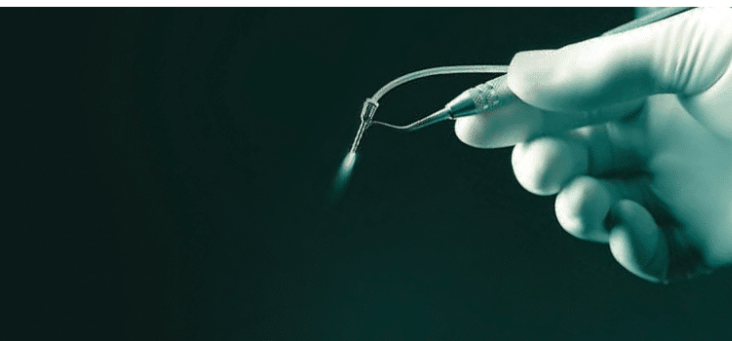
There is no longer mystery surrounding the basic etiologies of chronic adult periodontitis and the roles played by bacterial biofilm and calculus. The bacterial infection of gingival tissues in periodontal diseases is well documented.1–5 Although a much debated topic over the past decade, the presence or retention of calculus is clearly significant in disease progression and chronicity.1,2,6,7 Thus, successful long-term treatment of chronic periodontitis depends on the complete removal of subgingival calculus—not an easy task.2,3,7 Complete subgingival calculus removal using the conventional “blind” approach is complicated by root anatomy, pocket depth, and dependence on tactile sensitivity in a subgingival environment.5,8 These limitations have been repeatedly illustrated.7,9–11 The introduction of the dental endoscope has attempted to alleviate these challenges by enabling subgingival viewing of the pocket area during instrumentation.7,12,13 The effectiveness of this technology in periodontal and dental hygiene care has been studied in the literature.7,11,13–18
* References can be found in the original article via the link below.
Read Article





Responses