
The Oral-Gut Connection in Colorectal Cancer Care
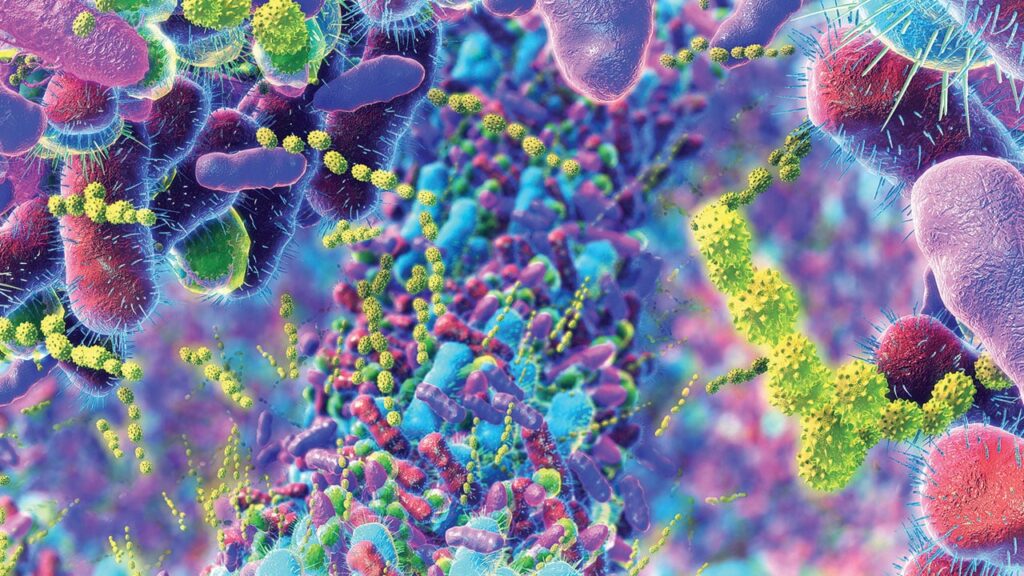
While advancements in oncologic therapy significantly improve survival rates for patients with colorectal cancer (CRC), the collateral damage to the oral cavity remains a formidable challenge. The oral cavity maintains a delicate homeostatic balance between the host’s immune system and a complex microbial community of more than 700 species.1,2 Under normal conditions, commensal bacteria provide essential benefits, such as pathogen exclusion and immune modulation. However, CRC interventions, including 5-fluorouracil chemotherapy regimens and complex surgical stressors, serve as profound physiological insults that precipitate severe oral dysbiosis.3
For the dental hygienist, managing oral complications in patients with CRC has historically been reactive and palliative. A paradigm shift is occurring: protocols are moving away from palliative care toward proactive microbiome modulation.4 This is particularly critical in the CRC population, as specific oral pathogens, such as Fusobacterium nucleatum, can translocate to the lower gastrointestinal tract, where they exacerbate inflammation and potentially influence tumor chemoresistance.5,6 By using intrinsically native commensal probiotics, clinicians can stabilize the oral ecosystem via competitive exclusion and reduce the reservoir of translocating pathogens before the harsh symptoms secondary to the treatment complications.7,8
Microbial ecology provides an ideal lens for understanding complications during CRC therapy. These patients frequently experience a simultaneous burden of inflammation of both the oral and intestinal mucosa. This is driven by the nontargeted cytotoxicity of systemic chemotherapy on rapidly dividing epithelial cells throughout the gastrointestinal tract.9,10
* References and figures can be found in the original article via the link above.





Responses