
When a Rash Signals Something More
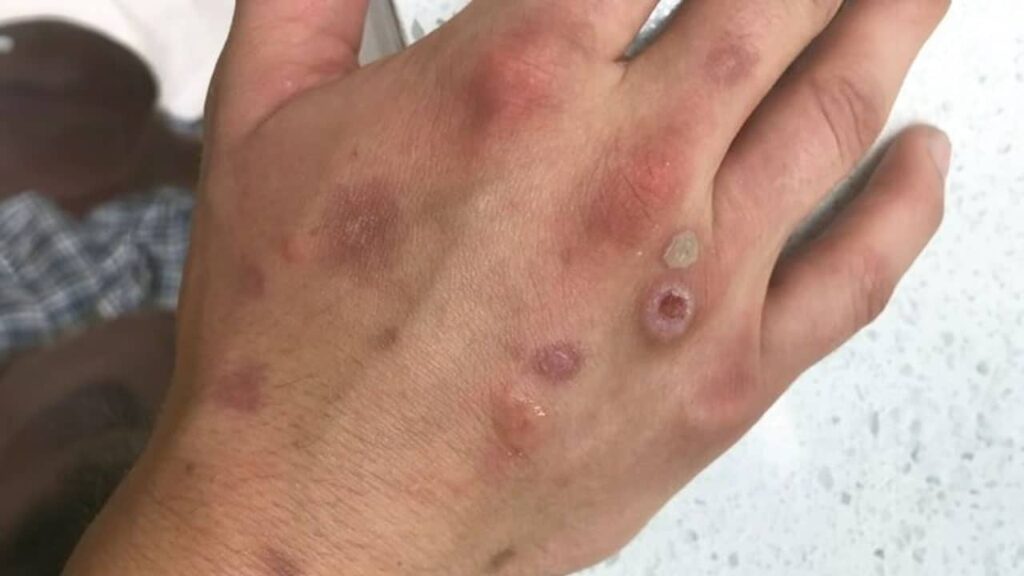
Erythema multiforme (EM) is an acute, immune-mediated dermatologic condition characterized by distinctive target-like lesions of the skin and (Figures 1 and 2), in more severe cases, painful erosions of the mucous membranes. Because EM may involve both cutaneous and mucosal surfaces, nurses play a critical role in comprehensive patient assessment, including evaluation of pain, hydration status, nutritional intake, and the risk for secondary infection. In cases with extensive oral or respiratory involvement, vigilant monitoring for potential airway compromise is essential.
Effective management of EM often requires interprofessional collaboration (IPC) among nurses, physicians, and oral health professionals.1 Nurses serve as key facilitators of communication between medical and dental teams, particularly when mucosal disease compromises oral health and quality of life.
The World Health Organization defines IPC as a process in which multiple healthcare professionals work together with patients, families, caregivers, and communities to deliver coordinated, patient-centered care.2 This collaborative network commonly includes mental health providers, primary and specialty care physicians, nurse practitioners, registered dietitians, social workers, psychologists,and pharmacists.3,4 Oral health professionals are also essential members of this team, contributing to disease prevention, early detection, and health promotion across the lifespan.
* References and figures can be found in the original article via the link above.






Responses