
Current Concepts in Caries Risk Assessment
By Martha McComas, RDH, MS
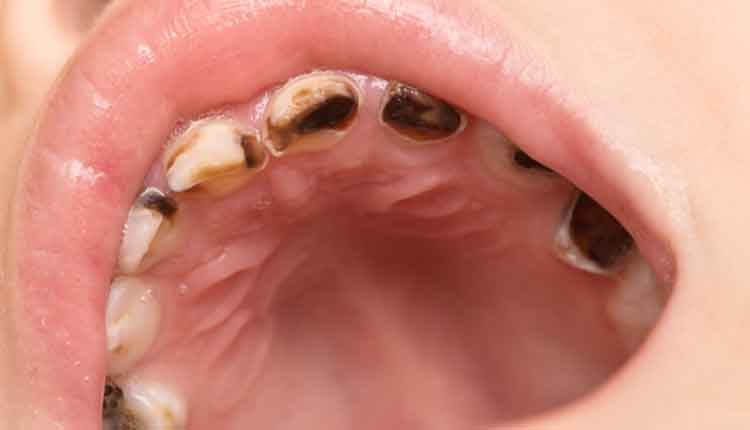
Dental caries is defined as a dissolution of enamel due to chemical byproducts produced by acidogenic bacteria during the fermentation of dietary sugars or carbohydrates.1,2These bacterial byproducts, or exotoxins, are highly acidic and create an environment in which acidogenic and acidophilic bacteria are capable of flourishing. The progression of dental caries occurs over time where hard tissue is continually demineralized. When demineralization is allowed to progress without intervention, the tooth structure is dramatically changed. These changes lead to visible or undetectable holes in the enamel surface, also known as cavitation.1,2
* References can be found in the original article via the link below.
Read Article





Responses