
What Oral Health Professionals Need to Know About Syphilis
By Anna Matthews, RDH, MS
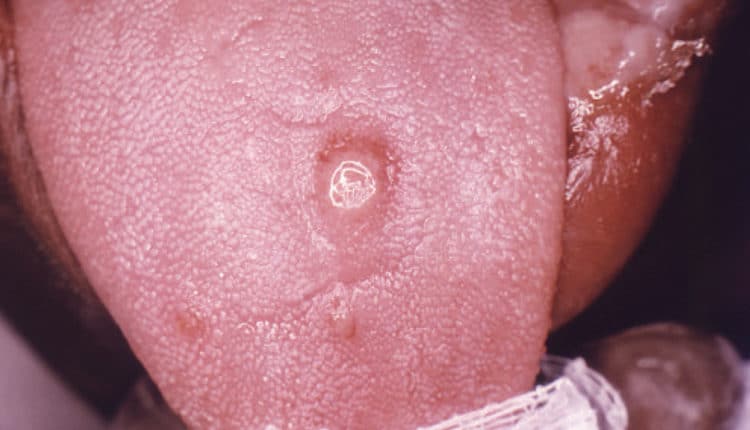
As an infectious disease that is relatively easily treated with antibiotics,1 syphilis declined sharply after the discovery of penicillin. However, the number of syphilis cases has been rising in the United States and worldwide, especially in developing countries.2,3 A particular danger of syphilis is transmission during pregnancy and development of congenital disease, resulting in fetal death or varying levels of disability, and the rate of congenital syphilis has also been increasing.2,4 Due to the frequent occurrence of syphilitic ulcers in the oral cavity, perioral regions, and head and neck areas, oral health professionals must be knowledgeable about the disease signs and symptoms, diagnosis, transmission, prevention, and treatment protocols.
* References can be found in the original article via the link below.
Read Article





Responses